
Services

1Spine surgery
  • Degenerative spine conditions
  • Spinal trauma
  • Spinal tumours
Read more
2Brain tumour surgery
  • Craniotomies
  • Stereotactic procedures
  • Skull base surgery
  • Ventricular procedures
Read more
3Head injury management
  • Craniotomies for traumatic brain injuries
  • Fracture repair
  • Intracranial pressure monitoring
  • Management of diffuse axonal injury
Read more
4Cerebral infections
  • Stereotactic aspiration
  • Craniotomy for abscess drainage
  • Intraventricular antibiotic administration
  • Endoscopic abscess drainage
Read more
5Less invasive procedures

SERVICES

Head injury management

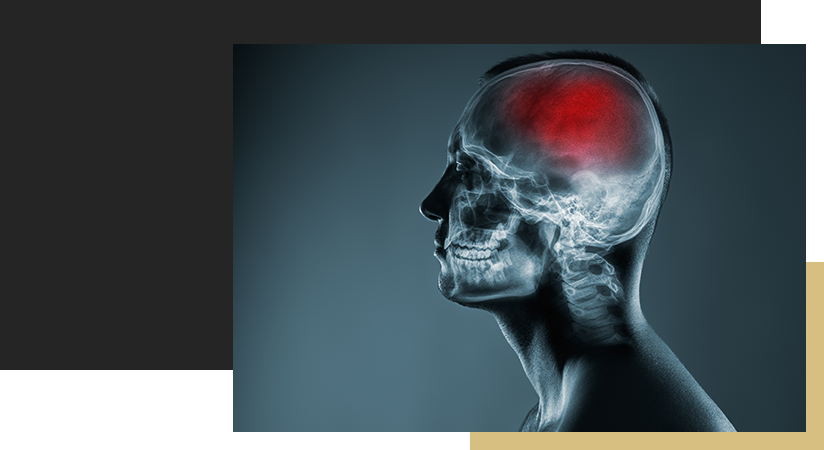
What are head injuries?

A head injury is considered a serious traumatic injury that involves direct or indirect impact to the head. This may occur due to sudden jolt or unexpected whiplash. Traumatic head injuries may arise from reasons related to motor vehicle accidents, assaults or falls.

Following a head injury, it's crucial to be aware of any noticeable lump or bruise on the head. Some head injuries can lead to serious conditions like concussions or brain bleeding. Understanding the importance of seeking prompt treatment can significantly reduce the risk of severe complications.

How does Dr. Xulu, a renowned expert in head injury management, approach these cases?

Dr Xulu specialises in a range of surgeries and medical interventions to manage severe head injuries in his patients, such as the following:

1Craniotomies for traumatic brain injuries
A craniotomy is a surgical procedure that involves removing a portion of the skull to access the brain for various intracranial procedures. It is commonly used to treat conditions such as arteriovenous malformations, aneurysms, brain tumours, and haematomas. A craniotomy is performed by removing a section (window) of the skull to reach the brain. After gaining entry to the brain, Dr Xulu can make the necessary repairs
2Fracture repair
Fracture repair is a surgical procedure to repair misaligned, broken bones. There exist three primary treatments for bone fractures such as casting, open reduction with internal fixation utilising instrumentation such as metal plates, screws or rods and open reduction with external fixation that utilises an external frame to secure the bone in place.
3Intracranial pressure monitoring
Intracranial pressure (ICP) monitoring is a diagnostic medical procedure that calculates the level of pressure in the skull to determine the cause of neurological disorders. It is a way of determining whether high or low levels of cerebrospinal fluid, a protective fluid, are the primary cause of symptoms.
4Management of diffuse axonal injury
Diffuse axonal injury is a traumatic brain injury that arises from blunt force impact on the brain. Management of diffuse axonal injuries aims to prevent the occurrence of secondary injuries. Oral medications and certain techniques alleviate swelling and stabilise fluid levels in the brain. Dr Xulu will decide on the best approach based on his evaluation.

Head injury management

frequently asked questions


1

What happens after sustaining a severe diffuse axonal injury?

Long-term rehabilitation and care is required to assist the patient toward a complete recovery.

2

How do you manage severely high intracranial pressure?

Interventions such as breathing support and medications to treat brain swelling assist in the treatment process. A decompressive craniectomy may be performed, which enables the brain to swell without significant compression.

3

Can a skull fracture heal without assistance?

For a simple skull fracture, there's hope for healing. With proper care and monitoring, a simple skull fracture can heal independently. Your doctor will assess the severity of the fracture to determine the best course of action.


parallax background

The essence of neurosurgery is where the surgeon's skill, the patient's hope, and the faith in medical science converge to bring about life-changing outcomes. It's a reminder that in the face of fear, hope and faith can lead to miraculous results.

FREQUENTLY ASKED QUESTIONS

1

How do I know when to see a neurosurgeon?

When you develop dizziness, pain, numbness, and headaches—generalised yet concerning symptoms—it's time to visit your neurosurgeon.

VIEW FAQ